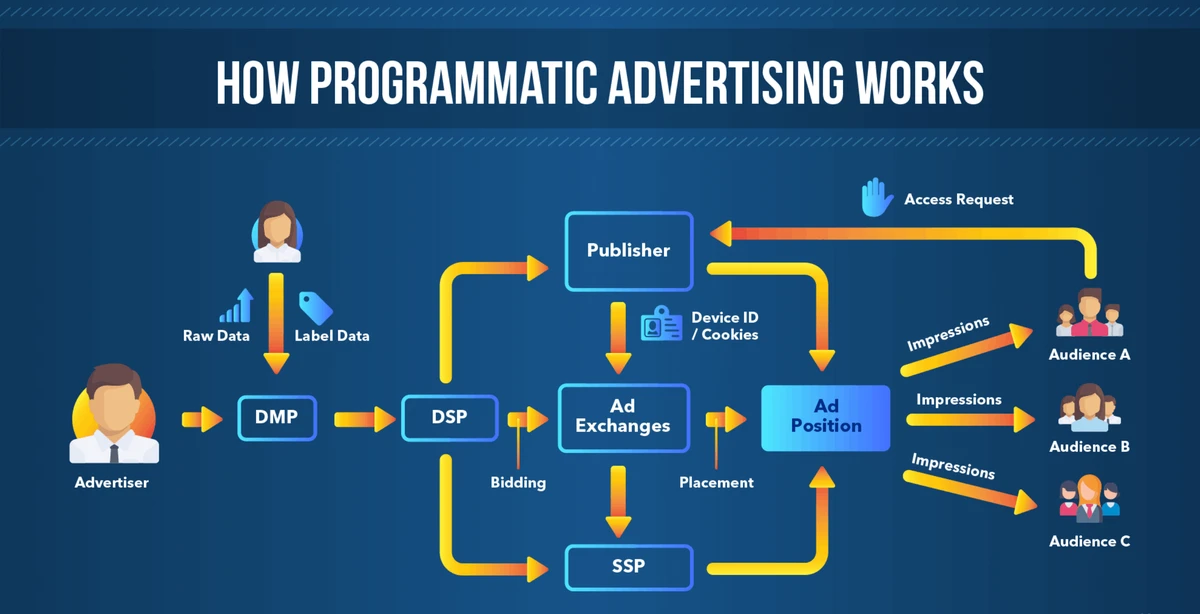
es1.bahasberita.com – Programmatic video advertising automates the real-time purchase and placement of video ads across websites, apps, and streaming platforms using AI-driven bidding algorithms. This approach enables precise audience targeting, campaign optimization, and cross-channel reach, allowing advertisers to efficiently deliver relevant video messages and maximize their advertising ROI. By harnessing Demand Side Platforms (DSPs) and Supply Side Platforms (SSPs) in an auction-based system known as Real-Time Bidding (RTB), programmatic video campaigns streamline ad buying with enhanced transparency and efficiency.
In the rapidly evolving digital marketing landscape of 2025, programmatic video advertising has emerged as a powerhouse strategy for brands, agencies, and advertisers aiming to capture attention on Connected TV (CTV), Over-The-Top (OTT) platforms, and beyond. The exponential growth of video consumption—forecasted to exceed $110 billion in programmatic spend—underscores the need for marketers to master this technology. Practical knowledge of how programmatic video works, coupled with best practices for campaign setup, is crucial to navigate the increasing complexity of audience targeting, brand safety, and cross-device measurement.
This tutorial provides a comprehensive, step-by-step guide to launching an effective programmatic video advertising campaign. It covers foundational concepts, platform selection, creative preparation, campaign setup, monitoring, and optimization. With detailed instructions, practical examples, common pitfalls, and troubleshooting tips, you will gain the expertise needed to leverage key platforms like The Trade Desk, SmartyAds, and Google DV360, ensuring your video campaigns deliver measurable results with high efficiency.
Whether you are new to programmatic or seeking to refine your skills, this guide equips you with actionable steps to harness AI-driven video ad buying, real-time bidding, and cross-channel distribution strategies. Let’s dive into the essential prerequisites and move forward to setting your campaign up for success.
Prerequisites for Successful Programmatic Video Advertising
Before launching a programmatic video campaign, understanding key ad tech concepts and securing necessary resources is essential. This foundational knowledge ensures smooth execution and maximized ROI.
Understanding Core Ad Tech Concepts
Essential Requirements Checklist
Choosing Your Programmatic Video Platform
When selecting a DSP for your campaign, consider:
Advertisement
Setting up your prerequisites carefully lays the groundwork for a successful programmatic video advertising campaign.
Step 1: Define Your Advertising Goals and Audience
Clear objectives and a well-defined audience are critical pillars for any advertising campaign. Without measurable goals and precise targeting, even the most advanced technology cannot guarantee success.
Setting Measurable Objectives
Start by specifying what you want to achieve:
Frame your goals with KPIs such as view-through rates, click-through rates, or cost per acquisition for better tracking.
Audience Segmentation and Targeting Options
Modern programmatic video platforms offer robust targeting capabilities:
Consider layering multiple criteria for higher precision, e.g., targeting retargeted users within a specific region.
Example: Defining a Target Audience
A sports apparel brand launching a new running shoe might target:
This layered approach maximizes relevance and ROI.
Step 2: Select the Right Programmatic Video Platform
Choosing the right platform is crucial, as it affects your campaign reach, targeting precision, and transparency.
Overview of Top DSPs and Their Key Features
| Platform | Key Features | Compatible Inventory | Brand Safety Tools | Pricing Model |
|—————|————————————————-|————————————————-|——————————————–|———————–|
| The Trade Desk| Advanced AI optimization, cross-channel support | CTV, OTT, web, mobile | Comprehensive filters, fraud detection | CPM, flexible bids |
| Google DV360 | Integrated Google ecosystem, audience targeting | Web, video, CTV, OTT | Brand safety and verification partnerships | CPM, auction-based |
| SmartyAds | Self-service DSP, rich data integrations | Mobile, desktop, OTT, SSP access | Customizable brand safety | CPM, real-time bidding|
Platform |
Key Features |
Compatible Inventory |
Brand Safety Tools |
Pricing Model |
|---|---|---|---|---|
The Trade Desk |
Advanced AI optimization, cross-channel support |
CTV, OTT, web, mobile |
Comprehensive filters, fraud detection |
CPM, flexible bids |
Google DV360 |
Integrated Google ecosystem, audience targeting |
Web, video, CTV, OTT |
Brand safety and verification partnerships |
CPM, auction-based |
SmartyAds |
Self-service DSP, rich data integrations |
Mobile, desktop, OTT, SSP access |
Customizable brand safety |
CPM, real-time bidding |
Platform Criteria for Selection
Prioritize platforms offering:
Selecting the appropriate DSP and integrating with SSPs or DMPs is foundational for efficient programmatic campaigns.
Step 3: Prepare Video Creative Assets
The impact of your programmatic video campaign relies heavily on the quality and relevance of your video creatives. Proper formats, sizes, and engaging content ensure better viewability and user engagement.
Recommended Video Ad Formats and Specifications
Common video ad types include:
Technical specs for optimal delivery:
Check your DSP’s creative specifications to ensure compatibility.
Creative Best Practices for Engagement
Example Screenshot Reference
(Insert screenshot: DSP creative upload interface showing recommended video specs.)
Common Mistakes to Avoid
Proper creative preparation aligns with the programmatic strategy for best outcomes.
Step 4: Set Up Your Campaign in the Platform
Setting clear campaign parameters and leveraging platform features is key to a successful programmatic video campaign launch.
Creating Campaign Parameters
Time estimate: 15-20 minutes.
Selecting Inventory Sources
Configuring Targeting Settings
Screenshot Reference
(Insert screenshot: Campaign setup page highlighting budget, schedule, inventory fields.)
Step-by-Step Campaign Setup Summary
These systematic steps ensure your campaign is well-structured for deployment.
Step 5: Launch and Monitor Campaign Performance
With your campaign live, continuous monitoring and timely adjustments maximize effectiveness and budget utilization.
Understanding Real-Time Bidding
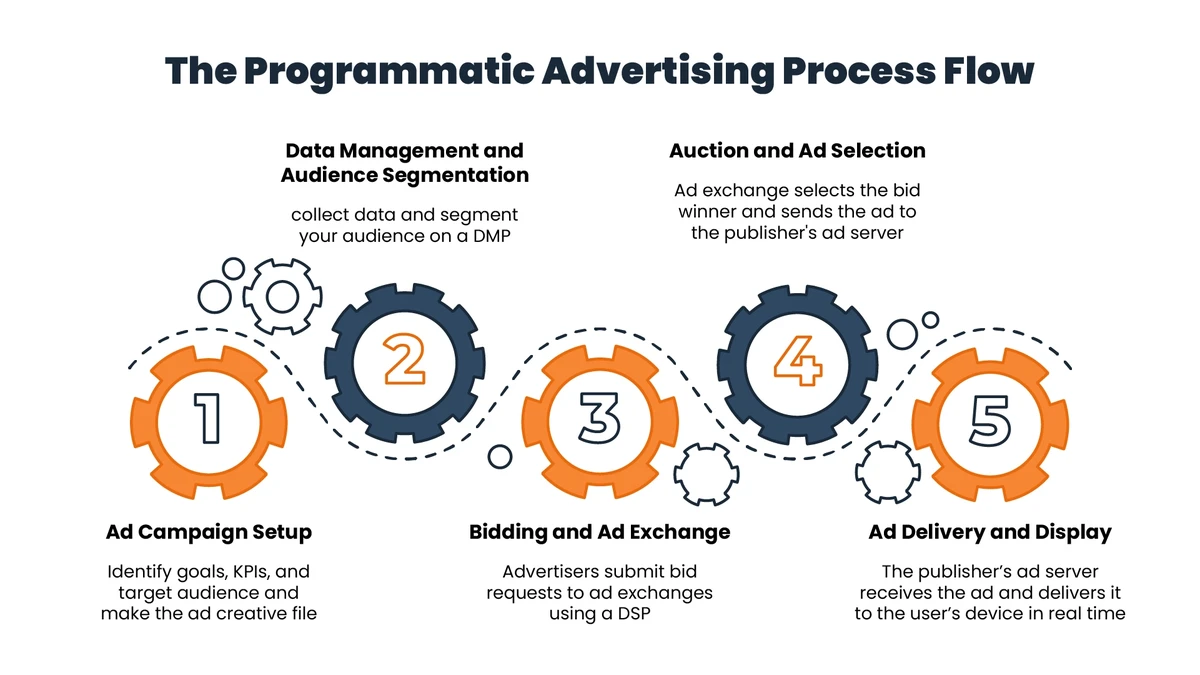
Each impression triggers an auction where DSPs bid based on audience value and campaign parameters. Winning bids secure the video ad placement instantly, delivered to the intended viewer.
Utilizing Platform Dashboards
Key metrics to monitor:
Set up automated alerts for budget pacing and unusual activity.
Example: Monitoring Dashboard
(Insert screenshot: Example DSP dashboard showing live campaign KPIs and trends.)
Common Monitoring Pitfalls
Consistent attention and responsive action during campaign runtime drive improved ROI.
Step 6: Optimize and Iterate for Best Results
Optimization is an ongoing process leveraging data, AI, and testing to enhance campaign performance.
A/B Testing Creatives and Targeting
Leveraging AI-Driven Optimization
Modern platforms use machine learning algorithms to:
Activate automated optimization features cautiously, verifying improvements regularly.
Troubleshooting Common Issues
| Problem | Solution |
|——————————|—————————————————————|
| Ad Fraud / Invalid Traffic | Use third-party verification, exclude suspicious sources |
| Low Viewability Rates | Optimize targeting, avoid poor inventory, shorten video length|
| Budget Pacing Issues | Set daily limits; monitor pacing reports |
| Frequency Overexposure | Implement strict frequency caps |
| Brand Safety Concerns | Employ platform’s safety filters; whitelist trusted sites |
Problem |
Solution |
|---|---|
Ad Fraud / Invalid Traffic |
Use third-party verification, exclude suspicious sources |
Low Viewability Rates |
Optimize targeting, avoid poor inventory, shorten video length |
Budget Pacing Issues |
Set daily limits; monitor pacing reports |
Frequency Overexposure |
Implement strict frequency caps |
Brand Safety Concerns |
Employ platform’s safety filters; whitelist trusted sites |
Time Estimates for Optimization
Iterative refinement based on data insights transforms campaigns into high-performing marketing engines.
Troubleshooting Common Programmatic Video Advertising Issues
Even seasoned programmatic advertisers encounter challenges. Early identification and proactive management are essential.
1. Invalid Traffic and Ad Fraud
2. Brand Safety Violations
3. Low Viewability and Engagement
4. Overspending or Budget Mismanagement
5. Technical Errors During Campaign Setup
Addressing these issues promptly safeguards campaign performance and advertiser investment.
Advanced Tips and Best Practices for Programmatic Video Success
Elevate your campaigns with these expert insights:
Implementing these practices ensures your programmatic video campaigns remain agile and aligned with evolving digital advertising standards.
Alternative Methods for Programmatic Video Advertising
Beyond DSP-led programmatic buying, consider:
While these alternatives offer advantages, they generally require more advanced expertise and resources.
Testing and Validating Campaign Success
Ensure your programmatic video campaign achieves optimal results through:
Consistent validation builds trust and informs future campaign improvements.
Programmatic video advertising revolutionizes how brands reach target audiences in real-time, harnessing AI, automation, and vast video inventory across CTV and OTT platforms. By following this step-by-step tutorial, marketers can confidently set up campaigns that optimize spend, enhance targeting precision, and deliver measurable impact.
Experimenting with parameters, staying current with platform innovations, and prioritizing brand safety will keep your programmatic video efforts robust and efficient in 2025 and beyond.
To deepen your expertise, explore The Trade Desk’s Academy, SmartyAds tutorials, and Google’s DV360 learning center. Stay informed with industry reports from eMarketer and the Interactive Advertising Bureau (IAB) for the latest trends and statistical insights in programmatic video advertising.
Advertisement
Advertisement