
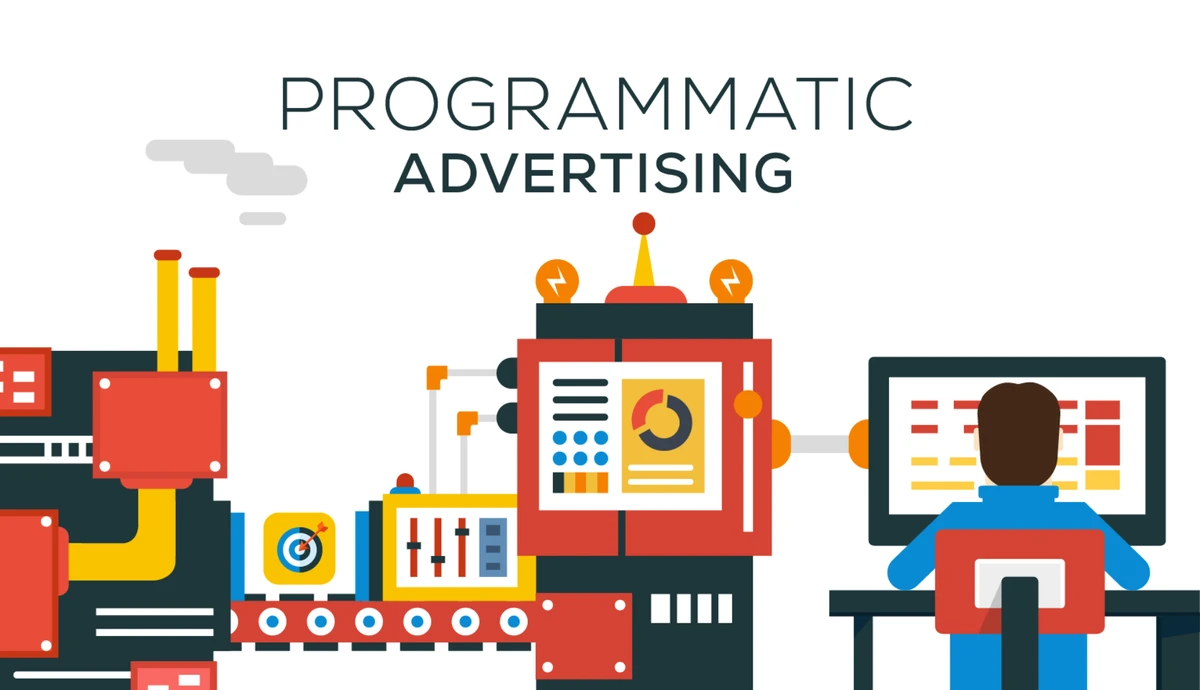
es1.bahasberita.com – Programmatic video advertising is the automated purchase and placement of video ads using real-time bidding and data-driven technologies. It enables marketers to target audiences precisely across channels such as OTT (Over-The-Top) and CTV (Connected TV), optimizing ad spend and driving better engagement without manual negotiations. With AI and machine learning powering decision-making, programmatic video ad campaigns deliver efficiency, broad reach, and measurable performance.
In the fast-evolving digital marketing landscape of 2025, programmatic video advertising has become essential for brands aiming to connect with audiences effectively. As streaming and digital video consumption soar, leveraging programmatic platforms allows marketers to navigate complex ad inventories across devices and environments seamlessly. This approach ensures strategic budget allocation and personalized targeting, unlocking superior ROI and real-time campaign adaptability.
This tutorial provides a detailed, step-by-step guide to running programmatic video advertising campaigns successfully. You’ll learn about essential technologies, how to select the right ad platforms, set up targeted campaigns, execute cross-channel efforts, optimize performance using AI, and measure results accurately. Practical tips, troubleshooting advice, and advanced strategies will help both novices and experienced marketers achieve impactful video advertising outcomes.
Let’s begin by understanding what programmatic video advertising entails and why it’s a game-changer in today’s video marketing ecosystem.
Understanding Programmatic Video Advertising
Programmatic video advertising automates the buying, placement, and optimization of video ads through technology platforms. Instead of manual negotiations and direct buys, programmatic leverages software, data, and real-time bidding to efficiently match advertisers to their target audiences at scale.
What Is Programmatic Video Advertising?
Programmatic video advertising uses demand-side platforms (DSPs) and supply-side platforms (SSPs) to transact ad inventory automatically in milliseconds. Advertisers bid on specific audiences using data signals, and the highest bid wins the impression via real-time bidding (RTB). Machine learning algorithms then optimize campaign delivery to maximize goals such as brand awareness, engagement, or conversions.
Advertisement
Video ad inventory spans many formats, including:
This breadth gives marketers access to diverse audiences across many contexts, making programmatic video highly scalable and precise.
Core Technologies Behind Programmatic Video
Real-time bidding drives the auction-based buying process. Bid requests signaling audience data are evaluated instantly, and DSPs use machine learning models to adjust bids based on performance data. Automation reduces manual work, speeds up campaign adjustments, and improves targeting accuracy.
Platforms integrate first-party and third-party data for behavioral, demographic, contextual, and geographic targeting. For example, combining device-level data with user interests and location ensures relevant ad delivery with less waste.
Types of Video Inventory and Their Importance
Understanding inventory sources helps tailor strategies:
Knowing how these formats fit your campaign goals lays a foundation for success.
Selecting the Right Programmatic Video Ad Platform
Choosing an appropriate programmatic video platform is critical given the myriad options and complexities in inventory and targeting. The right platform balances transparency, advanced targeting, inventory quality, and budget control.
Overview of Top Platforms
Leading programmatic video advertising platforms include:
Other notable DSPs like Simpli.fi, MNTN, AdRoll, Magnite, and MediaMath provide niche features or scale for various advertiser needs.
Factors to Consider When Choosing a Platform
Evaluate platforms on:
How to Request Demos and Trial Platforms
Most platforms offer demos or trial accounts:
Testing multiple platforms can clarify which suits your marketing strategy and budget best.
Setting Up Your Programmatic Video Campaign
Effective setup aligns campaign goals, targeting, and creative assets for maximum impact. Follow these steps for a robust foundation.
Defining Clear Campaign Goals
Specify whether the campaign aims to:
Having focused objectives guides platform settings, bidding strategies, and success measurement.
Choosing the Right Video Ad Formats
Select formats that fit goals and audience behavior:
Match formats to where your audience spends time and the message you want to convey.
Setting Targeting Parameters
Define audience segments using:
Use a mix of first-party data (your customer lists, site visitors) and third-party segments for precision.
Applying Retargeting Strategies
Re-engage visitors who interacted with your brand by:
Retargeting across devices and channels (OTT, CTV, social) enhances campaign relevance and ROI.
Cross-Channel Execution and Optimization
The ability to run synchronized campaigns across multiple video channels sets programmatic video apart.
Integrating Campaigns Across OTT, CTV, Social, and Display Video
Coordinate creative assets and targeting rules among channels, ensuring consistent messaging. For example:
Real-Time Bidding and Budget Management
Allocate budgets dynamically using automated bidding algorithms that adjust based on:
Use platform dashboards to monitor spend patterns and adjust pacing.
Leveraging AI and Automation
Many DSPs embed machine learning models that optimize:
Trust but verify by regularly reviewing automated changes and intervening if needed.
Managing Frequency and Preventing Ad Fatigue
Set frequency caps to limit the number of times an individual viewer sees your ads, preserving engagement without annoyance. Use analytics to monitor CTRs, drop-off points, and adjust delivery accordingly.
Measuring and Analyzing Performance
Robust measurement ensures accountability and insights for continuous improvement.
Key Performance Indicators for Video Campaigns
Track:
Utilizing Platform Dashboards and Analytics Tools
Explore in-built dashboards in platforms like DV360 or Basis Technologies to:
Combine with third-party tools or Google Analytics for holistic views.
Attribution and Cross-Device Tracking
Consider using multi-touch attribution models to understand what video exposures contributed to conversions. Implement cross-device IDs to track the same user across smartphone, desktop, and CTV environments for accurate measurement.
Troubleshooting Common Performance Issues
If you experience:
Troubleshooting Common Issues in Programmatic Video Campaigns
Programmatic video campaigns may encounter several challenges. Here are step-by-step solutions for common problems:
– Ensure ad placements are above the fold.
– Use verified inventory from premium sources like Magnite or Vibe.co.
– Avoid publishers flagged for low-quality traffic.
– Set strict daily or total budget caps.
– Use pacing controls within DSPs like The Trade Desk to spread budget evenly.
– Review bid strategies to avoid bidding wars.
– Cross-check first-party data integrity.
– Avoid overly narrow audience definitions that limit reach.
– Combine demographic and behavioral signals to refine targeting.
– Implement frequency caps.
– Rotate creatives regularly.
– Segment audiences to serve different creative cuts.
– Adopt multi-touch attribution models rather than last-click.
– Use cross-device tracking technology.
– Confirm post-view and view-through conversion tracking configurations.
Advanced Tips and Best Practices for Programmatic Video Success
Alternative Methods for Programmatic Video Advertising
While most campaigns utilize DSPs, alternatives include:
Required Tools and Resources
Testing and Validation
Before launching live:
—
Programmatic video advertising offers unmatched precision, scale, and efficiency for video marketing in 2025. By mastering platform selection, campaign setup, targeting, cross-channel execution, and data-driven optimization, marketers can achieve impactful video campaigns that drive business results.
Start with clear goals, test platforms, and leverage AI-driven automation to fine-tune delivery. Continuous measurement and iteration are key to staying ahead in this evolving space. Explore demos offered by leaders like Basis Technologies, The Trade Desk, and Google DV360 to deepen your platform knowledge.
For further learning, explore platform-specific tutorials, read industry reports from eMarketer, and keep abreast of trends in OTT and CTV advertising to maintain your competitive edge.
Platform |
Key Strengths |
Inventory Access |
Targeting Types |
Transparency & Reporting |
|---|---|---|---|---|
Basis Technologies |
Integrated management & transparent analytics |
OTT, CTV, Social, DOOH |
Demographic, Behavioral, Contextual |
High transparency with detailed dashboards |
The Trade Desk |
AI-powered targeting, large inventory scale |
OTT, CTV, Display, Social |
Behavioral, Geographic, Device-Level |
Robust reporting & attribution tools |
Google DV360 |
Massive reach, Google ecosystem integration |
Display, Video, YouTube, OTT |
All major targeting options |
Comprehensive, real-time dashboards |
StackAdapt |
Self-serve, context & behavior targeting |
Social, OTT, Display |
Contextual, Demographic, Behavioral |
Highly customizable reporting |
Adobe Advertising DSP |
Integration with Adobe Experience Cloud |
Display, Video, OTT inventory |
Behavioral, First-party data-driven |
Integrated analytics with Adobe tools |
This table summarizes major programmatic video platforms, their key features, and targeting capabilities to help you choose the best fit for your campaigns.
Ready to dive deeper? Explore platform training sessions and experiment with trial accounts. Programmatic video advertising is a powerful tool—master it to engage your audiences better and optimize your video marketing spend effectively.
Advertisement
Advertisement