es1.bahasberita.com – Programmatic video advertising uses automated technology and real-time bidding to buy and optimize video ad placements across platforms, enabling marketers to target specific audiences precisely and efficiently. By leveraging AI-driven insights and machine learning algorithms, advertisers can run dynamic video campaigns that maximize engagement and ROI while reducing wasted impressions and costs.
As digital video ad spending is projected to soar to $207 billion by 2025, understanding how programmatic video advertising works is crucial for marketers seeking to stay competitive. Automation, enhanced targeting accuracy, and integration with connected TV (CTV) and over-the-top (OTT) environments have transformed video marketing strategies. Today’s marketers rely on demand-side platforms (DSPs) like The Trade Desk, StackAdapt, and Basis Technologies to streamline and optimize their campaigns.
This tutorial provides a step-by-step guide to launching, optimizing, and troubleshooting programmatic video advertising campaigns. We’ll cover platform selection, setup, campaign creation, AI-powered optimization, and practical problem-solving to help you harness this powerful approach effectively. Whether you’re new or looking to advance your skills, these instructions and best practices equip you to maximize the potential of programmatic video ads.
Understanding Programmatic Video Advertising Fundamentals
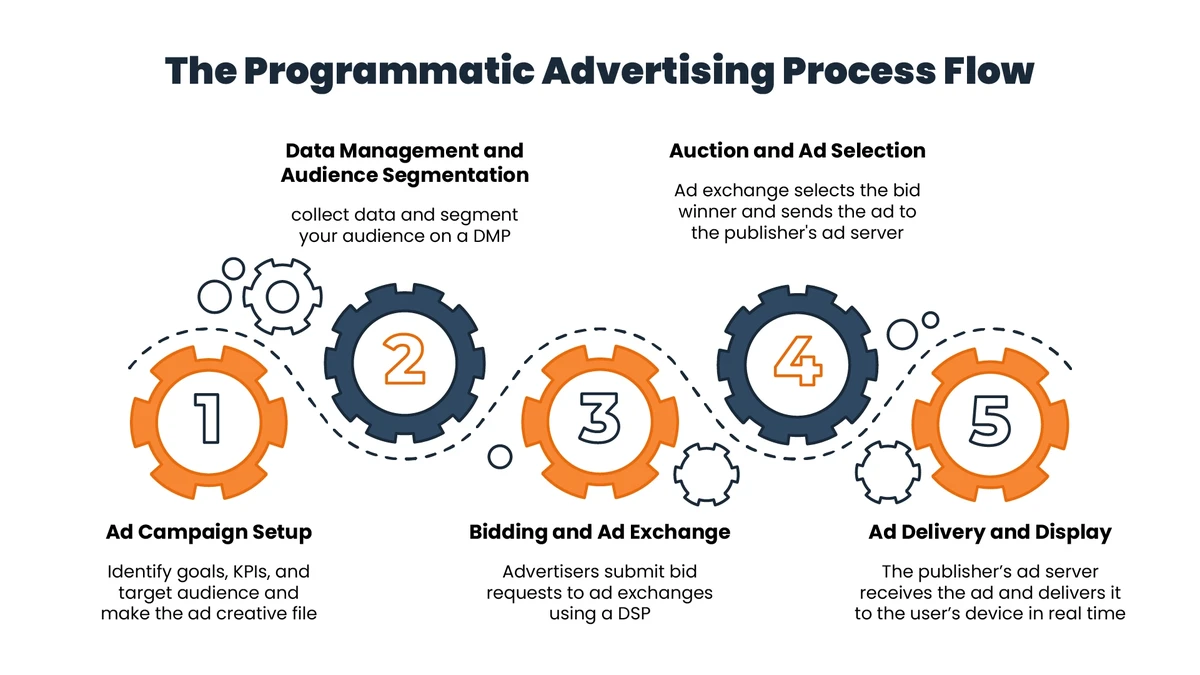
Programmatic video advertising uses software to automate the buying and placement of video ads in real-time across digital platforms. At its core, it leverages real-time bidding (RTB), machine learning, and data-driven targeting to deliver video content tailored to specific audiences efficiently. This technology shifts the traditional manual negotiation process into a fast, algorithm-driven purchase and placement system.
What is Programmatic Video Advertising?
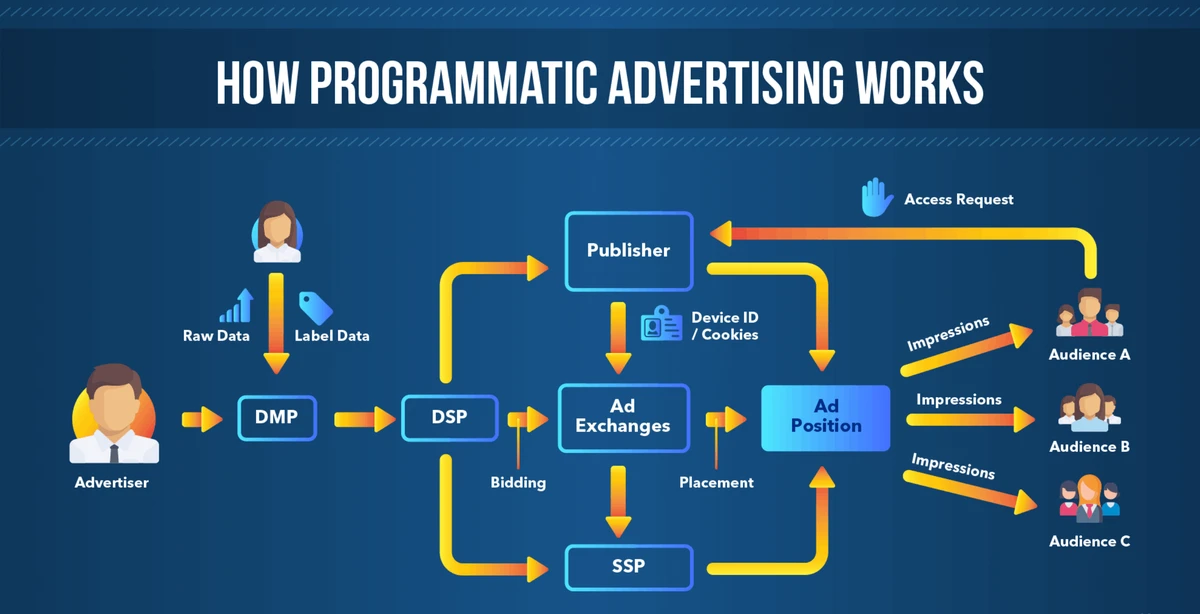
Programmatic video advertising automates ad buying through demand-side platforms (DSPs) that connect with supply-side platforms (SSPs) and ad exchanges. These transactions happen within milliseconds via real-time bidding auctions, allowing marketers to bid for targeted impressions based on user data, contextual relevance, and campaign goals.
Key programmatic video ad formats include:
Importance of Premium Inventory and Private Marketplaces
Advertisement
Securing premium video inventory is critical for brand safety and higher engagement rates. Private marketplaces (PMPs) enable buyers to access select inventory through invite-only auctions, enhancing control over where ads appear. This approach minimizes fraud risk and improves viewer experiences by avoiding low-quality or inappropriate placements.
How Machine Learning and AI Enhance Programmatic Buying
Modern platforms incorporate AI and machine learning to adjust bids dynamically, segment audiences finely, and optimize delivery schedules for maximum ROI. These technologies analyze historical data and real-time signals, such as user behavior and contextual indicators, enabling smarter bid decisions and audience targeting throughout the campaign lifecycle.
Prerequisites for Launching Programmatic Video Campaigns
Before initiating a programmatic video advertising campaign, ensure you have the necessary knowledge and resources to set a strong foundation.
Basic Knowledge Requirements
Access to Programmatic Platforms or DSPs
Choose from leading DSPs geared toward video advertising, such as:
Most platforms require account creation, verification, and some initial budget allocation to get started. Confirm platform compatibility with your data sources and ad serving requirements.
Essential Data Inputs
Integrating 1st party data and data marketplace feeds enhances targeting refinement. Geo-fencing technology, for example, was successfully used by Magners in a case study to target drinkers near events, driving measurable lift in engagement.
Step 1: Selecting and Setting Up a Programmatic Video Platform
Choosing the right DSP and setting it up properly are fundamental to campaign success. Here is how to navigate this critical first step.
Comparing Top Platforms
Platform |
Key Features |
Video Ad Formats Supported |
Unique Selling Points |
|---|---|---|---|
The Trade Desk |
Premium inventory access, AI-powered optimization, cross-channel support |
In-stream, Out-stream, OTT/CTV |
Robust targeting, large marketplace, advanced analytics |
StackAdapt |
Omnichannel video campaigns, granular audience segmentation |
In-stream, Out-stream, OTT/CTV |
Easy UI, data integrations, contextual targeting |
Basis Technologies |
Unified platform for planning, buying, reporting |
In-stream, Out-stream |
Integrated workflow, strong support for video creatives |
Simpli.fi |
Geo-fencing, programmatic local targeting |
In-stream, Out-stream |
Hyperlocal targeting, flexible buying models |
Selecting depends on campaign scale, targeting sophistication, and budget. Evaluate trial versions or demos before committing.
Setting Up Your Account
Time Estimate: Approximately 30-45 minutes for account setup and initial configuration.
Step 2: Creating and Launching Video Campaigns
Building your video campaign involves selecting appropriate formats, uploading creatives, and preparing for real-time bidding.
Choosing the Right Video Ad Formats
Match format choice with your marketing goals and platform capabilities.
Uploading Creatives and Optimizing
Launching Campaigns with Real-Time Bidding
Time Estimate: Campaign setup and launch can take 45-60 minutes depending on complexity.
Step 3: Optimizing Campaign Performance with AI and Machine Learning
Continuous optimization ensures your video campaign remains effective and cost-efficient over time.
How AI Enhances Campaign Efficiency
Artificial intelligence programs analyze performance data, adjusting bids and placements automatically to prioritize high-value impressions. Platforms use machine learning for:
Practical Optimization Tips
Example Use Case: Magners Geo-fencing Campaign
Magners deployed geo-fencing technology to target audience clusters near live events, optimizing their programmatic video spend dynamically. This geo-targeted approach increased engagement by 18% and lowered CPM by 12%, demonstrating AI-driven precision and efficiency.
Step 4: Troubleshooting Common Programmatic Video Advertising Issues
Even with expert setup, marketers can face common challenges needing prompt resolution to avoid wasted budgets.
Common Problems and Solutions
– Review and refine audience targeting to ensure relevance.
– Upgrade creative quality and test new formats.
– Consider using premium inventory or private marketplaces.
– Utilize DSP fraud detection tools.
– Block suspicious IPs and low-quality placements.
– Implement domain and app verification.
– Use multi-touch attribution models provided by platforms.
– Integrate with analytics tools for holistic insights.
– Ensure frequency limits are properly set in DSP settings.
– Rotate creatives regularly to maintain freshness.
– Validate device targeting accuracies.
– Optimize for user engagement metrics specific to CTV.
Time Estimate: Troubleshooting can vary but typically 15-30 minutes per issue depending on complexity.
Common Mistakes to Avoid
Step 5: Advanced Tips and Best Practices for Programmatic Video Success
To elevate your programmatic video advertising efforts, consider these expert recommendations.
Additional Resources and Next Steps
– [The Trade Desk Tutorial](https://www.thetradedesk.com/)
– [StackAdapt Video Campaign Guide](https://www.stackadapt.com/resources/)
– [Basis Technologies Overview](https://basis.net/platform/video-advertising)
– Google’s Video Creative Guide
– IAB Video Ad Specs
– Statista’s 2025 Digital Video Advertising Forecast
– “The Future of AI Video Advertising Optimization” by AdExchanger
– “Machine Learning Applications in Digital Video” by Martech Today
Trying hands-on tests with small budgets on recommended DSPs helps solidify learning. Continual experimentation combined with real-time data review improves campaign effectiveness in an ever-evolving programmatic landscape.
Programmatic video advertising unlocks sustainable scale, precision targeting, and smart automation, making it an invaluable tool for digital marketers aiming to meet today’s demanding audience engagement standards.
—
FAQ
What is the difference between programmatic and traditional video advertising?
Programmatic video automates ad buying with real-time bidding and data-driven targeting, whereas traditional video ads are bought manually via direct deals and fixed placements.
Can small businesses use programmatic video advertising effectively?
Yes, many DSPs offer flexible budgets and self-service options suitable for small businesses to target local or niche audiences efficiently.
How does programmatic video advertising ensure brand safety?
By using private marketplaces, certified publishers, and fraud detection tools, advertisers control where their ads appear, protecting brand reputation.
What are the best video ad formats for different marketing objectives?
Short-form out-stream ads boost brand awareness; in-stream pre-roll/mid-roll ads enhance engagement; OTT/CTV ads provide premium TV-like exposure with digital targeting.
How does connected TV differ from OTT in programmatic video?
OTT refers to streaming content delivered over the internet regardless of device, while CTV specifically involves TV-connected devices like smart TVs or streaming boxes. Both are programmatically targeted but may have different technical integrations.
—
Programmatic video advertising offers marketers unprecedented control and efficiency. By following the steps outlined here—from platform selection to troubleshooting—you can confidently launch and optimize campaigns that reach your intended audience at scale and with precision. Continue learning, experimenting, and refining your approach as the digital video landscape evolves in 2025 and beyond.
Advertisement
Advertisement